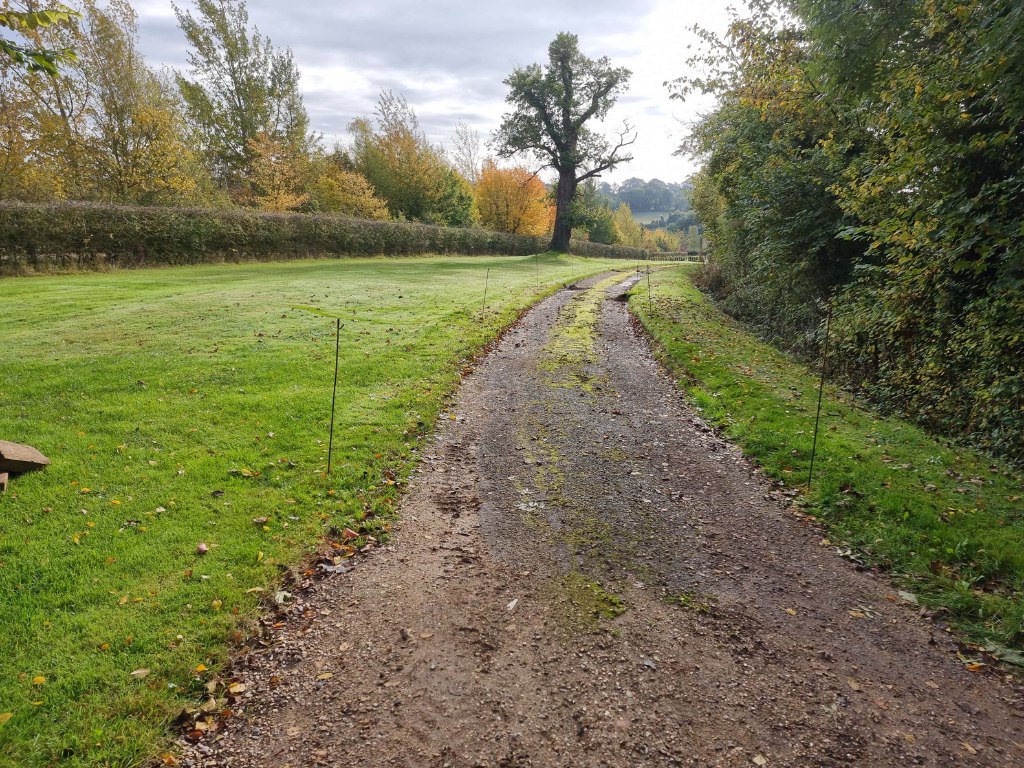
Can Uneven Tarmac Be Repaired Without Replacing the Whole Driveway?
An uneven tarmac driveway can make your property look neglected and create practical problems when parking or walking across the surface. Depressions, raised sections and areas that hold water may develop gradually, leaving homeowners wondering whether the entire driveway needs replacing.
The good news is that a complete replacement is not always necessary. Depending on the cause and extent of the damage, localised repairs or resurfacing may restore the driveway’s appearance and functionality. For homeowners in Leatherhead, Surrey, understanding the available options can help you choose the most suitable solution for your tarmac driveway.
What Causes Tarmac Driveways to Become Uneven?
Before deciding how to repair an uneven surface, it is important to understand why the problem has developed. The cause often determines whether a local repair will last or whether more extensive work is needed.
Weak or Settling Foundations
Tarmac relies on a stable, well-prepared base for support. If the sub-base was inadequately compacted or the ground beneath it shifts over time, sections of the driveway can sink or develop depressions.
These areas may become more noticeable where vehicles regularly park or turn. If the underlying base is unstable, simply adding a thin layer of tarmac over the dip is unlikely to provide a lasting solution. The affected area may need to be excavated and its foundation repaired before new material is laid.
Poor Water Drainage
Water can contribute to uneven tarmac when it enters cracks, weakens the supporting layers or collects in low spots. Over time, repeated exposure to moisture can worsen existing defects and lead to further settlement.
Standing water after rainfall is a useful sign that the driveway may have drainage or surface-level issues. However, the cause should be assessed before repairs begin, as correcting the surface alone may not resolve an underlying drainage problem.
Wear and Tear From Regular Use
Frequent vehicle movements place pressure on a driveway, particularly near entrances, turning points and parking spaces. Over time, the tarmac may deform, crack or develop shallow depressions.
A small area of wear may be suitable for a localised repair, provided the surrounding surface and underlying base remain sound. Where deformation affects several sections, a broader repair may be more appropriate.
Can Uneven Tarmac Be Repaired Without Full Replacement?
In many cases, yes. The best approach depends on whether the problem is confined to the surface or extends into the supporting layers beneath it.
Localised Patching
If the unevenness is limited to a small damaged area, patching may be an effective option. The affected section is prepared, loose or deteriorated material is removed, and new tarmac is installed to create a stable surface.
This approach can work well for isolated depressions, localised cracking or damaged areas where the surrounding driveway remains in good condition. Proper preparation is essential, as laying new material over a weak or unstable section can lead to the defect returning.
Reinstating the Sub-Base
When a section has sunk because the foundation beneath it has failed, the repair needs to address the cause rather than simply cover the dip.
The affected area may need to be removed so that the sub-base can be inspected, corrected and compacted before the tarmac is reinstated. Although this involves more work than a surface patch, repairing the underlying problem can help prevent repeated settlement.
Tarmac Resurfacing
If the driveway is generally stable but the surface has become worn or uneven across a wider area, resurfacing may be worth considering. This involves preparing the existing surface and applying a new layer of tarmac where conditions allow.
Resurfacing can improve the driveway’s appearance and provide a more consistent finish without necessarily removing the entire existing construction. However, it is not suitable for every driveway. Significant structural problems, widespread settlement or poor drainage may need to be addressed first.
When Is Replacing the Whole Driveway the Better Option?
Although repairs can be effective, there are situations where a complete replacement may provide a more reliable result.
If large sections of the driveway have sunk, cracks are widespread, the base has repeatedly failed or drainage problems affect much of the surface, isolated patches may only offer a temporary improvement.
The overall condition of the tarmac also matters. If the material has deteriorated extensively, there may be little benefit in repairing individual sections one at a time.
A professional assessment can establish whether the existing driveway is suitable for repair or resurfacing, or whether rebuilding the surface and its foundations would be more appropriate.
How Can You Prevent Tarmac From Becoming Uneven Again?
Good installation and ongoing maintenance both play an important role in keeping a tarmac driveway in good condition.
- Address cracks early: Small cracks can allow water to enter and contribute to further deterioration.
- Monitor standing water: Persistent puddles may indicate low spots or drainage issues that need attention.
- Keep drainage routes clear: Remove leaves and debris from relevant drainage channels so water can flow away properly.
- Arrange repairs promptly: Addressing localised damage before it spreads can help prevent more extensive problems.
- Use suitable repair methods: Repairs should address the cause of the unevenness, particularly where the sub-base has deteriorated.
These measures cannot prevent every type of damage, but they can help preserve the driveway and identify developing problems before they become more extensive.
Professional Tarmac Driveway Repairs in Leatherhead
Choosing the right repair method requires more than identifying where the surface has dipped. The condition of the existing tarmac, stability of the sub-base and effectiveness of drainage all influence the outcome.
NS Driveways Leatherhead can assess uneven tarmac driveways in Leatherhead, Surrey, and recommend a suitable solution based on the condition of the surface. Whether the problem calls for localised patching, repairs to the foundation or more extensive resurfacing, addressing the underlying cause is essential for a durable finish.
Conclusion
Uneven tarmac does not always mean that your entire driveway needs replacing. Localised patching, sub-base repairs or resurfacing may be sufficient when the damage is limited and the existing construction remains suitable.
However, widespread settlement, extensive deterioration or recurring drainage problems may require more comprehensive work. If your tarmac driveway has developed dips, cracks or standing water, contact NS Driveways Leatherhead to arrange an assessment and find out which repair option is best suited to your property in Leatherhead, Surrey.
Call us on: 01372 679 098
Click here to find out more about NS Driveways Leatherhead
Click here to complete our contact form and see how we can help with your driveways needs.